Weaving a New Narrative: Guangxi's Zhuang Brocade Goes Global, Thanks to Fresh Designs from Zhuang Brothers
LAIBIN, Guangxi, Nov. 16 (China News Service) -- Weaving a New Narrative: Guangxi's Zhuang Brocade Goes Global, Thanks to Fresh Designs from Zhuang Brothers
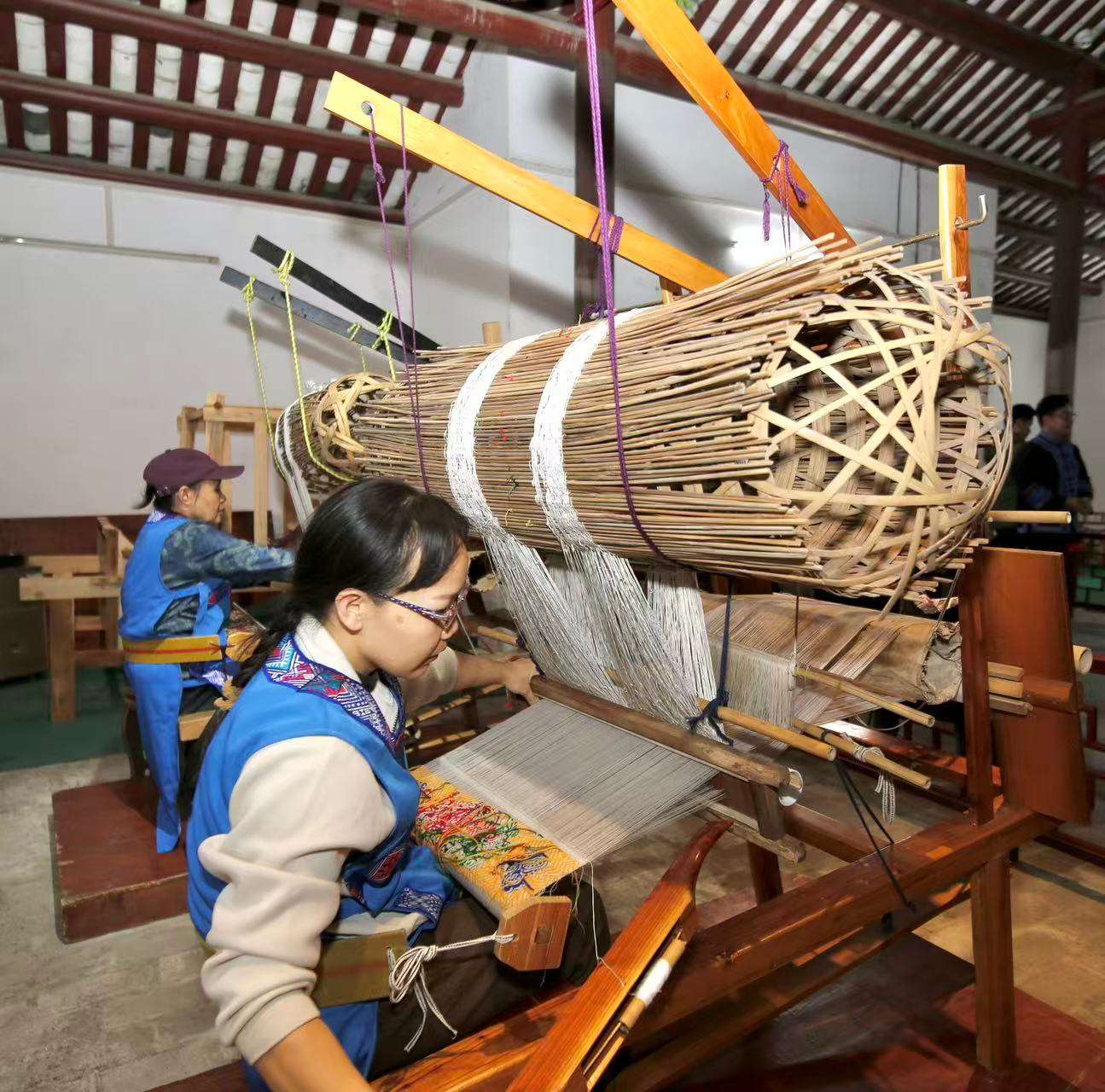
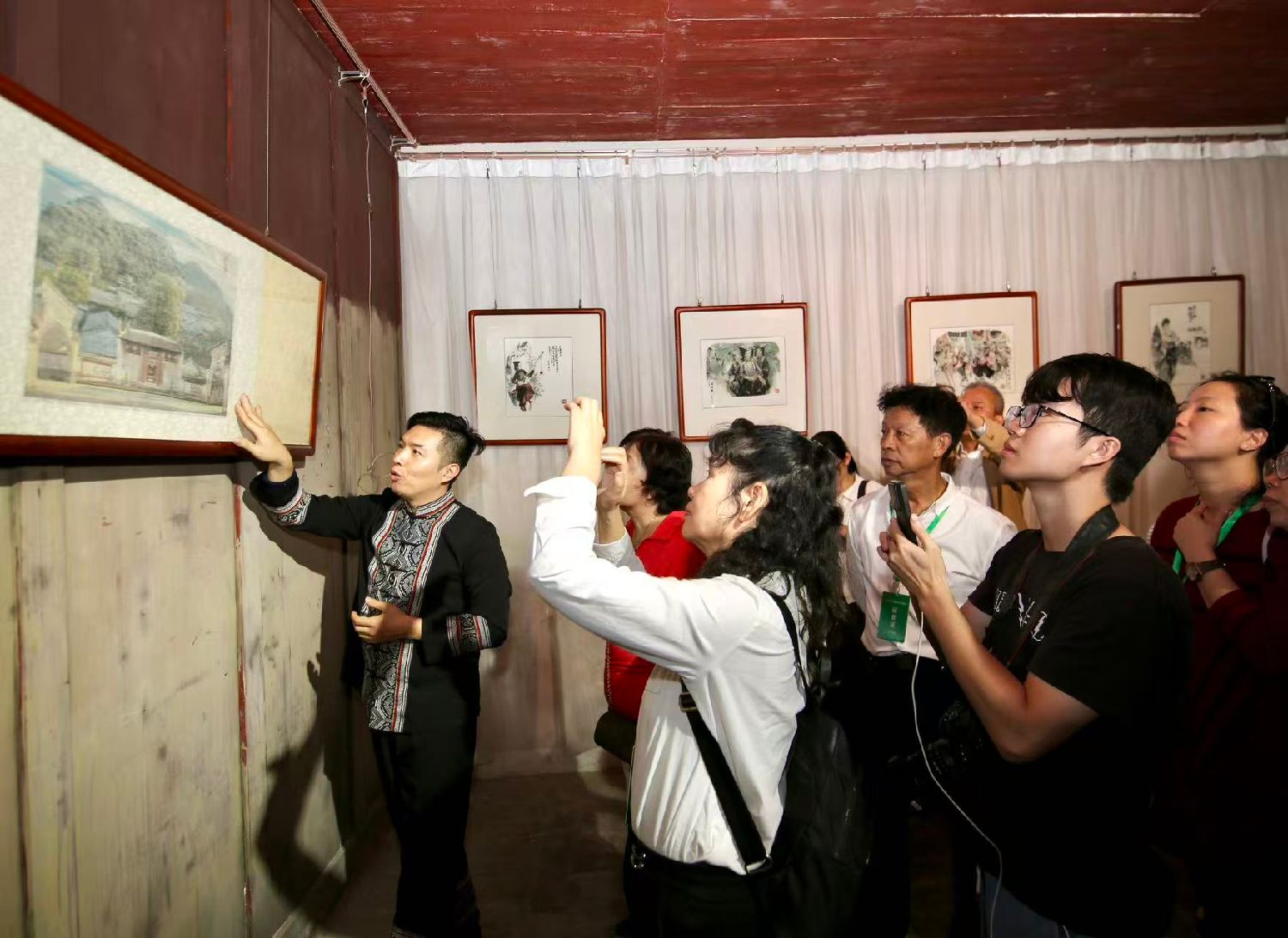
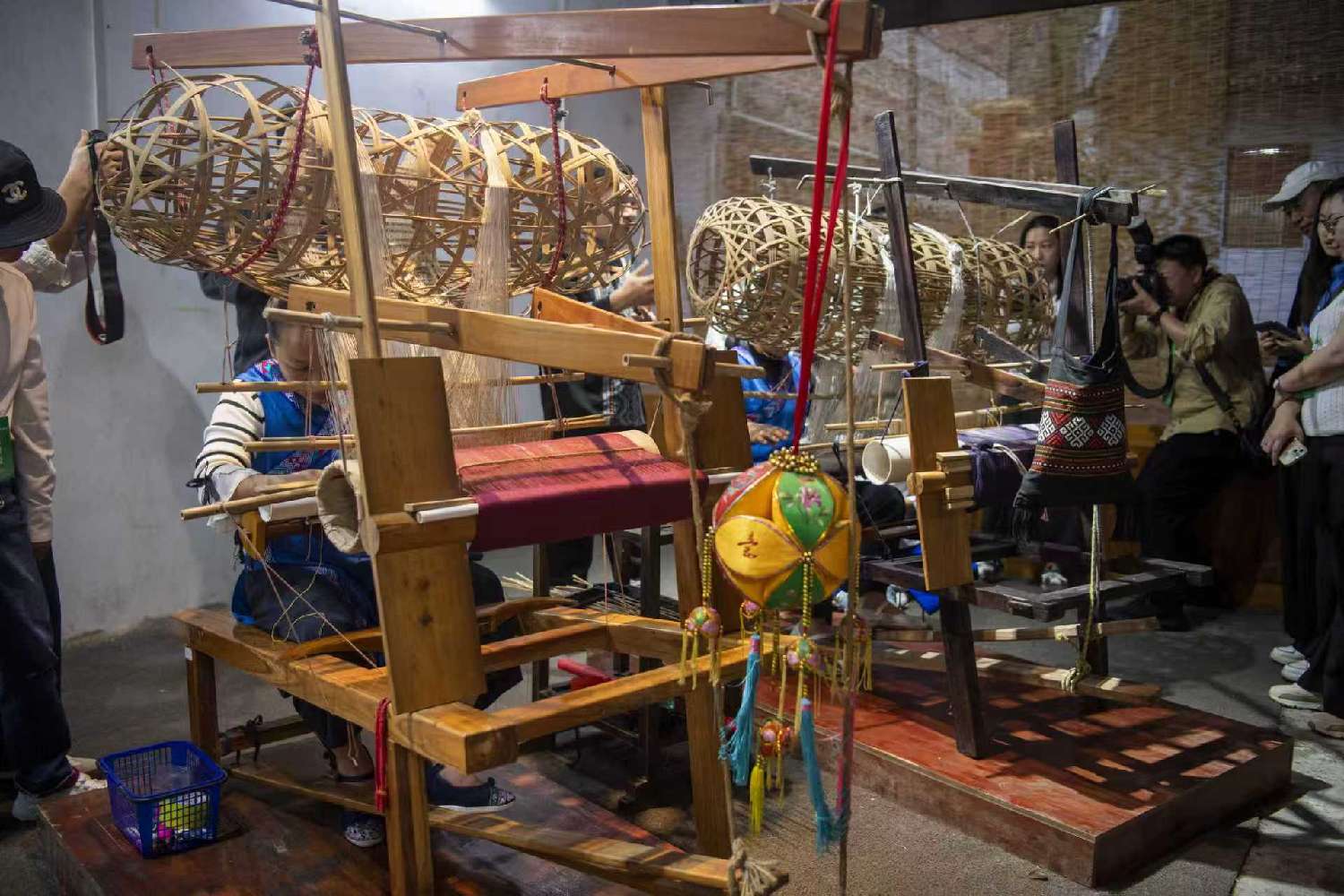
Hanging in a centuries-old mansion, known as "Da Fu Di," within the Mo Tusi Yamen complex in Guangxi's Xincheng County is a breathtaking artwork: a silk Zhuang brocade titled "The Imperial Palace of Zhuang." The piece is the work of master weaver Liang Hengyuan. Bent over a traditional bamboo-cage loom, his fingers deftly navigated a cloud-like array of 16,000 warp threads, meticulously inserting nearly 40 million individual weft threads. With the loom as his brush, he succeeded in weaving the very soul of the ancient Tusi architecture into the fabric.
Weaving, from Bamboo-Cage Loom to Digital Loom
A close look reveals the blue bricks and upturned eaves of the architecture woven into the fabric, with the carved patterns and roof tiles of the former administrative complex rendered in clear detail. It is as if history itself whispers through the silk threads. The piece, which took years and significant investment to complete, is far more than a textile; it is an innovative endeavor to weave the vast history of the Zhuang people into a defined space.
"In my childhood, bamboo-cage looms were a common sight in every household. I grew up surrounded by it—I knew how to weave, but I didn't understand its cultural worth," Liang recalled. After leaving home to pursue his studies, he gradually came to realize the preciousness of Zhuang Brocade.
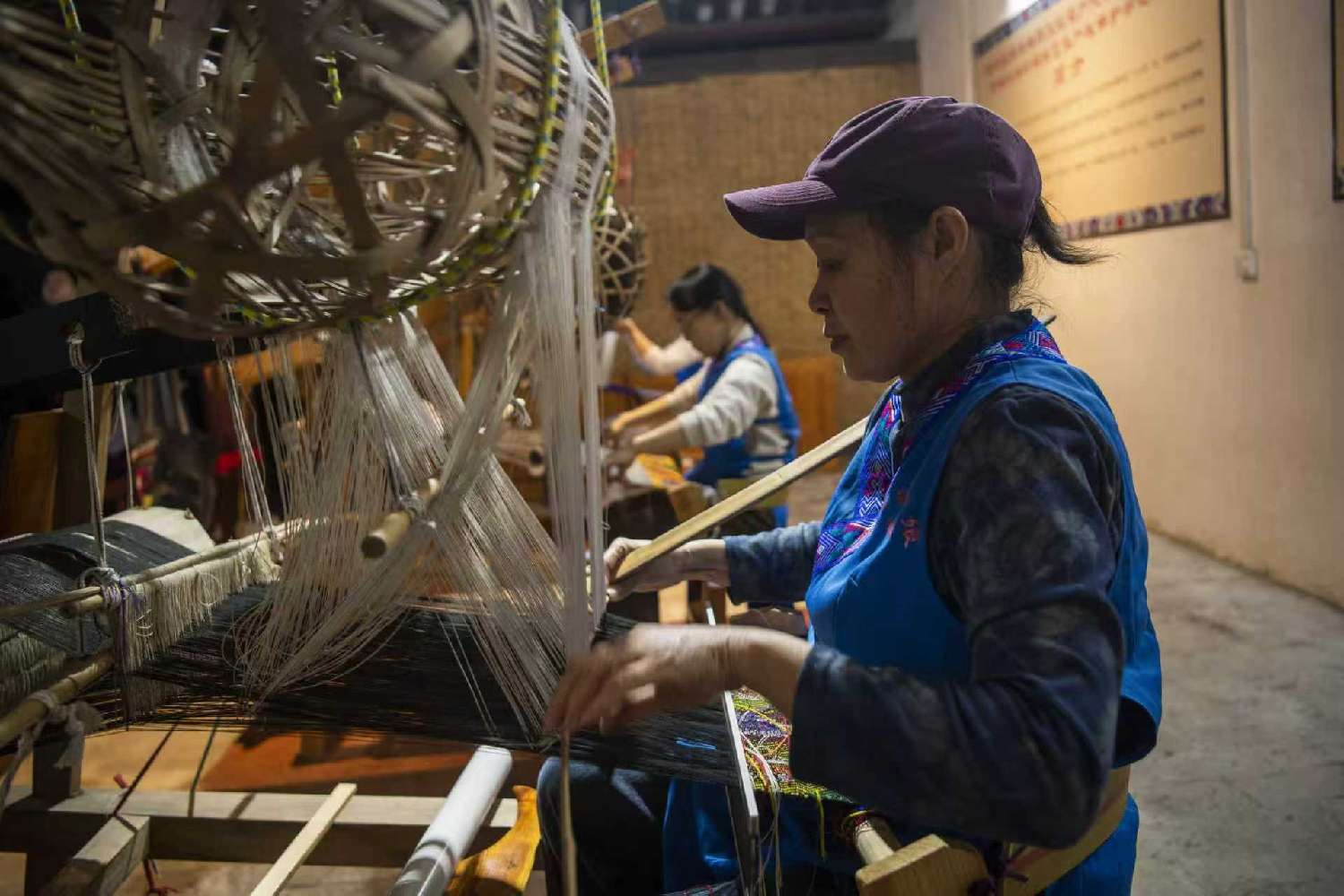
As one of China's four famous brocades, Zhuang Brocade uses raw-color cotton or linen threads as the warp and colorful cotton or silk velvet threads as the weft. Employing weaving techniques such as "continuous warp and weft" or "continuous warp and broken weft," it features striking color contrasts and richly vibrant patterns. As one of the birthplaces of Guangxi's Zhuang Brocade, Xincheng County saw nearly every household engaged in brocade weaving during the Ming and Qing dynasties. However, impacted by the market economy, the production of Zhuang Brocade in Xincheng and the inheritance of its weaving techniques once faced severe challenges.
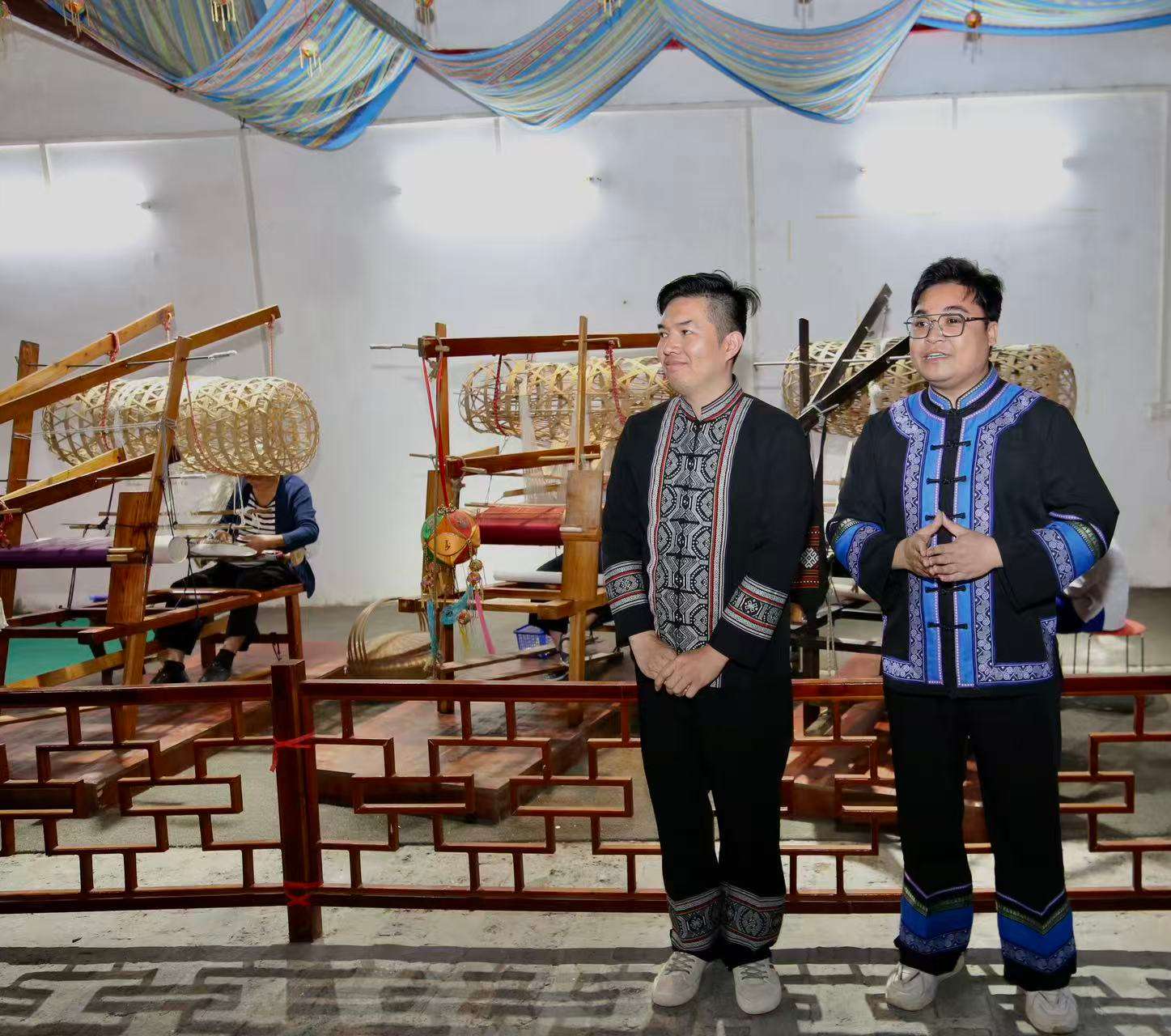
In 2015, the passing of an elder in the family prompted Liang Hengyuan and his cousin Lan Peiwen to return to their hometown and commit to preserving this Zhuang ethnic treasure. "At that time, only three people in the entire county had mastered the complete set of Zhuang Brocade skills. The entire jacquard system was like an unsolvable 'code,' entirely reliant on oral transmission and mental comprehension." Liang Hengyuan said.
The brothers traveled from village to village, documenting the oral techniques of elderly artisans and compiling them into teaching materials. They also pioneered the use of computer graphic software to digitally record the jacquard system. "In the past, hand-drawing patterns took months; now, with computer assistance, it can be completed in just a few days." Liang Hengyuan introduced. This digital approach to Zhuang brocade weaving techniques enables the ancient craft to catch the fast train of modern technology.
Making Zhuang Brocade Speak the "World Language"
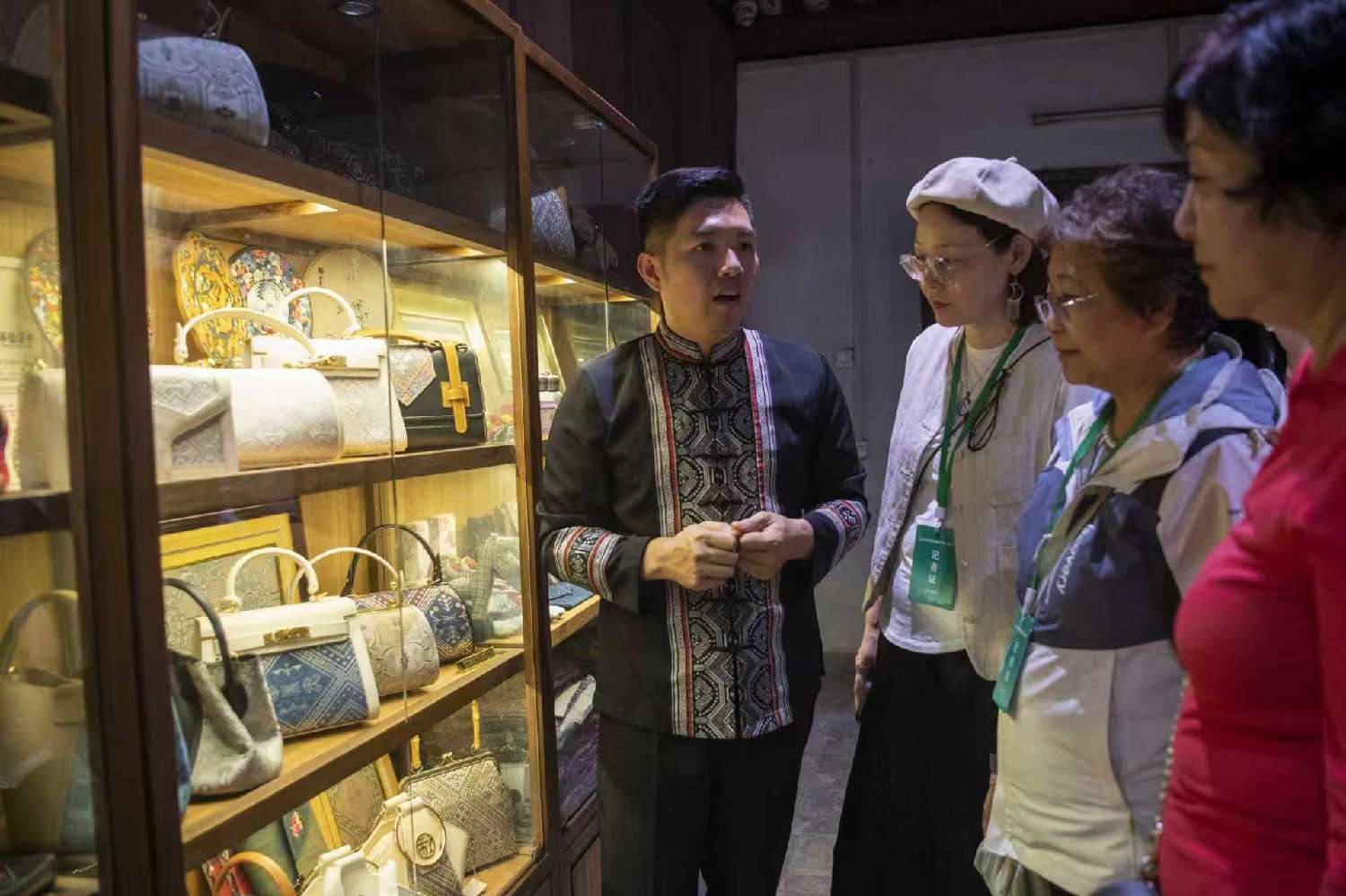
In addition to powering textile technology with digital tools, reforming Zhuang brocade products is another key path that the two young men have explored. At the heritage base for Zhuang brocade they founded, traditional dragon and phoenix motifs collide vibrantly with modern designs. Liang Hengyuan asserts, "As young people, we’re better at capturing contemporary aesthetics and transforming old patterns into colors for today’s attire."
He pointed to an elegant jasmine-themed Zhuang brocade and explained, "In the past, Zhuang brocade often featured the traditional eight-pointed star pattern of Guangxi, which was hard for foreign audiences to grasp. We adopt the jasmine pattern, which carries international recognition, precisely to help it go global." This blend of traditional motifs with modern aesthetics has made their Zhuang brocade works highly popular in European and American markets.
Lan Peiwen showcased a new piece tailored for the British market: It fuses the cloud-and-thunder motif from bronze ware with the diamond-shaped geometric patterns of the Zhuang ethnicity, using a secondary color palette of white, gray, and black. This elevates Zhuang brocade into a fashion item, seen on international brand wool coats and leather bags.
"Traditional craftsmanship must keep pace with the times if it’s to avoid being phased out." Lan Peiwen firmly believes that only by integrating ancient Zhuang Brocade into daily life and making it truly functional can it be sustainably preserved. They have developed over 60 new products incorporating Zhuang Brocade elements, combining practical utility with artistic value, spanning categories such as apparel, stationery and toys. These cultural and creative products, which integrate ethnic characteristics with contemporary aesthetics, have swiftly become favorites in young consumers.
Brothers Weave a Path to Break Boundaries
"Singing Zhuang ethnic folk songs while weaving Zhuang Brocade, our lives grow more prosperous with each passing day." With colorful threads dancing in his hands, Lan Peiwen, renowned as the "King of Zhuang Ethnic Folk Songs", spontaneously hums a melody, drawing inspiration from the lyrics to create new patterns. "Folk songs record the history of the Zhuang people, while brocade depicts our way of life. Both are iconic cultural symbols of our ethnicity."
This cross-disciplinary integration has breathed new life into the ancient craft. In the latest "Xincheng Zhuang Brocade Weavers" training session, 30 rural women, guided by Lan Peiwen, learned to blend traditional patterns with modern color schemes, mastering the art of making Zhuang Brocade more fashionable and bringing it to the global stage.
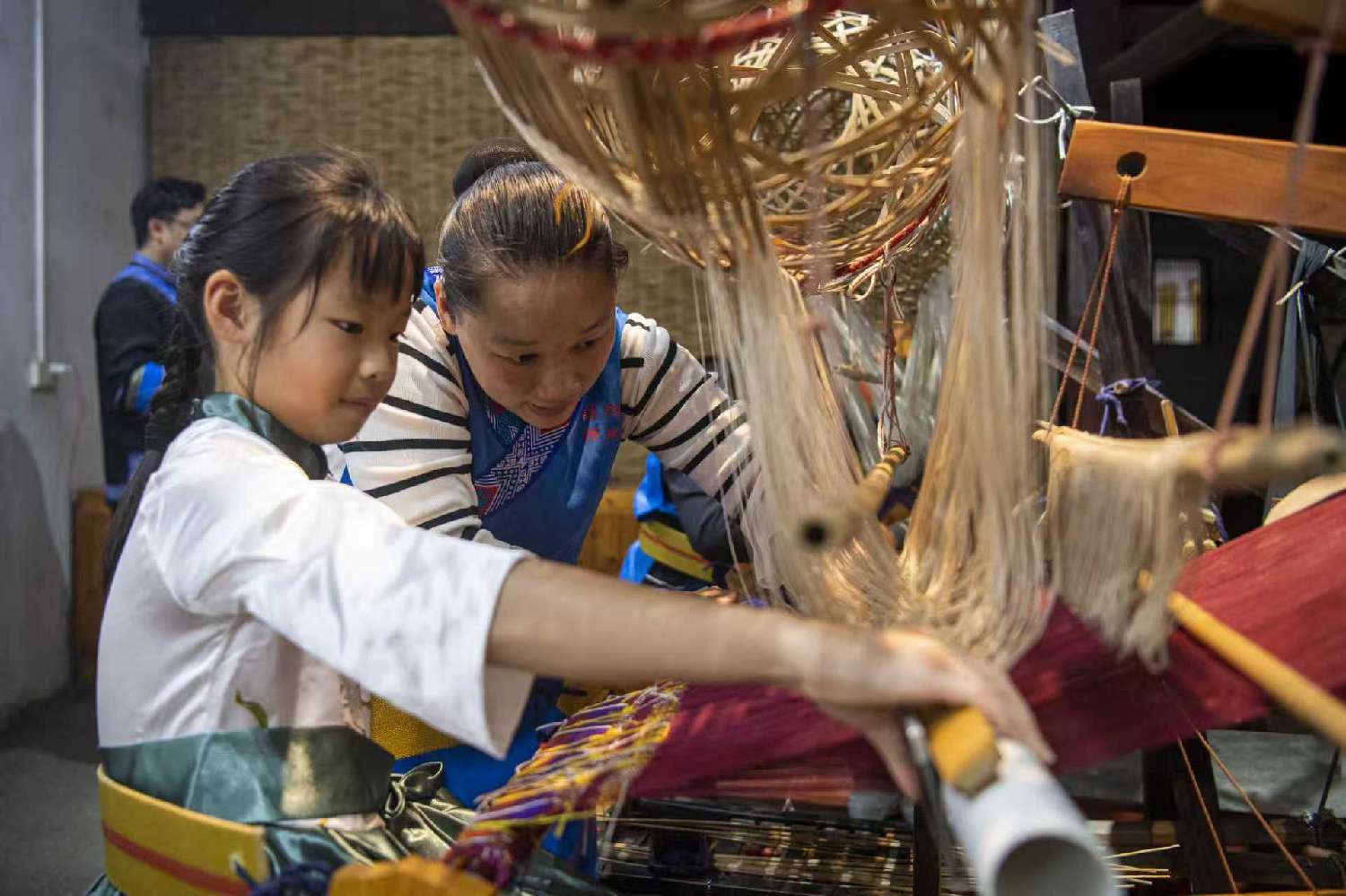
Over the years, the brothers have shattered the stereotype that "weaving is exclusively for women". Through their actions, they have demonstrated that heritage preservation knows no gender - it is driven solely by passion and perseverance. Since 2015, they have trained approximately 1,400 individuals and conducted over 80 public welfare training sessions, reaching nearly 60,000 participants.
On his journey of inheriting Zhuang brocade culture, Lan Peiwen also found sweet love. He hopes that at his future wedding, he and his bride can wear Zhuang brocade garments woven by his own hands. “I want to integrate the auspicious patterns of traditional Zhuang brocade with the tailoring of modern wedding attire,” Lan Peiwen said. “It’s not just wedding clothing — it’s also a testament to our commitment to passing on Zhuang brocade.”
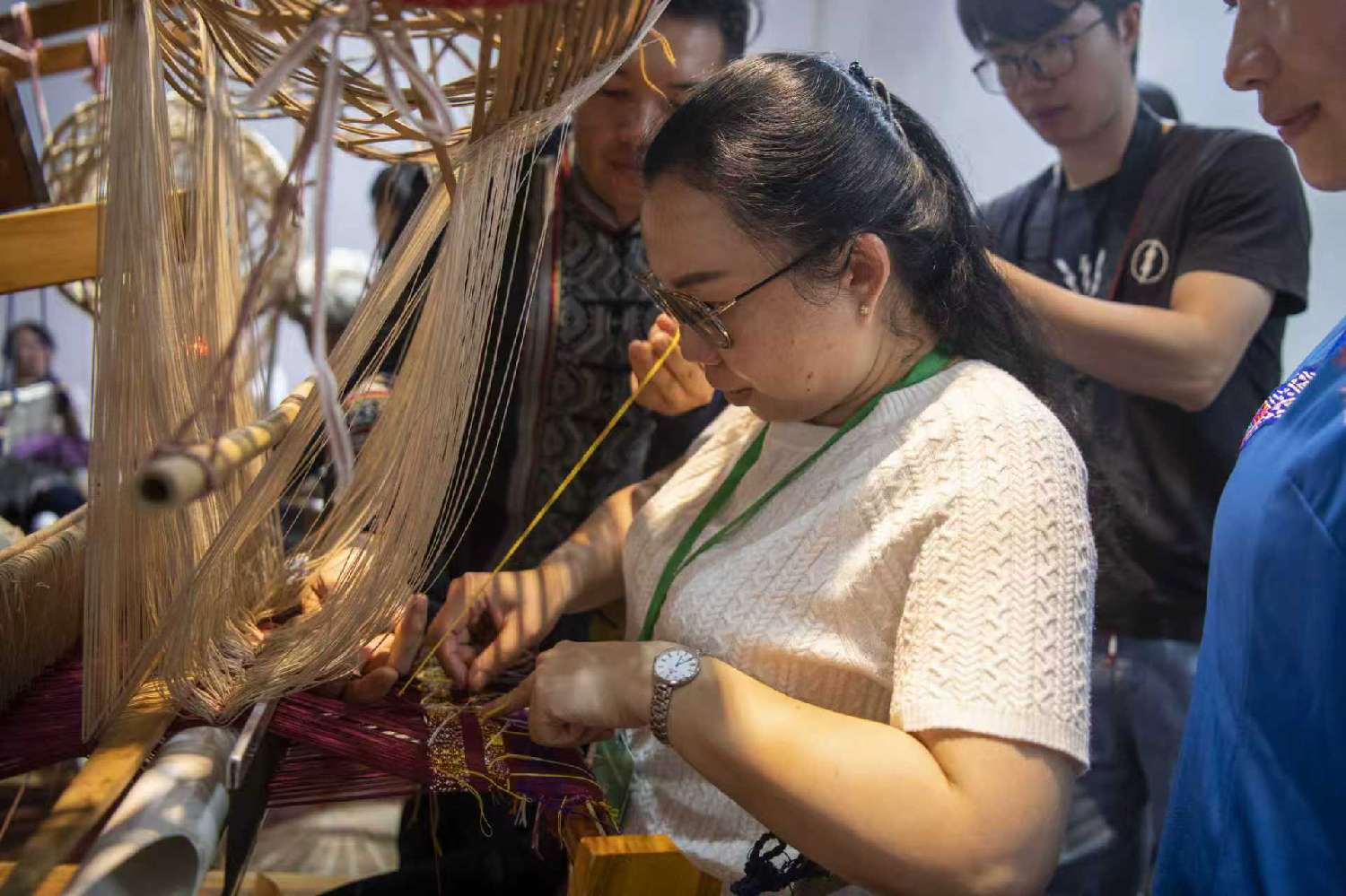
Today, beneath the corridors of the Mo Chieftain's Office, the rhythm of ancient looms resonates with modern design sensibilities. Liang Hengyuan remarked, pointing at the Zhuang brocade, "Our elders wove for livelihood, while we weave for dreams. Our greatest aspiration is to see this ethnic blossom of Zhuang brocade flourish on the global stage." (End)
#Guangxi #Zhuang #Xincheng #brocade #ကျွမ့် #ပိုးထည်#ပန်းထိုး #ဒစ်ဂျစ်တယ် #MFN #MyanmarFutureNews
MFN သတင်းများအားအောက်ပါLink များတွင်လည်းဝင်ရောက်ကြည့်ရှုနိုင်ပါသည်။
Facebook – https://www.facebook.com/myanmarfuturenewsagency
Telegram – https://t.me/myanmarfuturenews
YouTube - https://www.youtube.com/@MyanmarFutureNews-MFN